The Maverick, The Risk Taker
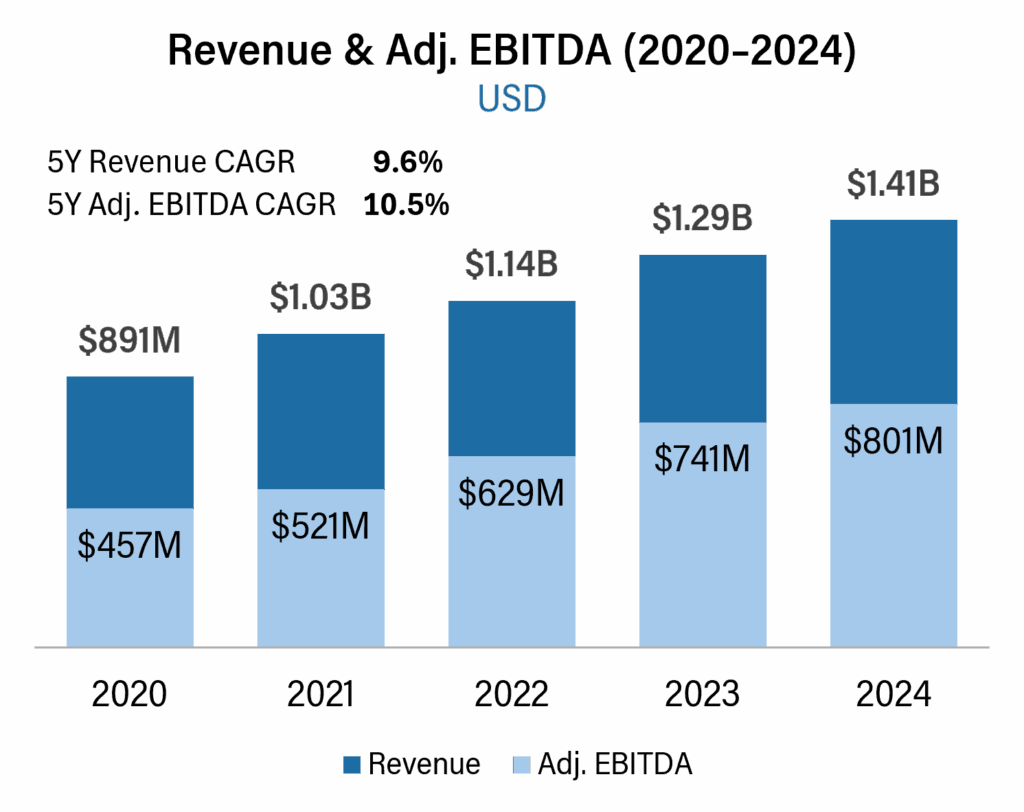
The UFC has become such a global powerhouse in combat sports that its name is synonymous with mixed martial arts itself. Its success is inextricably linked to Dana White’s firm leadership and entrepreneurial vision. From near-bankruptcy to mainstream success, White’s stewardship has delivered record-breaking growth: UFC generated $1.41 billion in revenue in 2024, with Adj. EBITDA topping $801 million, an impressive 57% Adj. EBITDA margin.
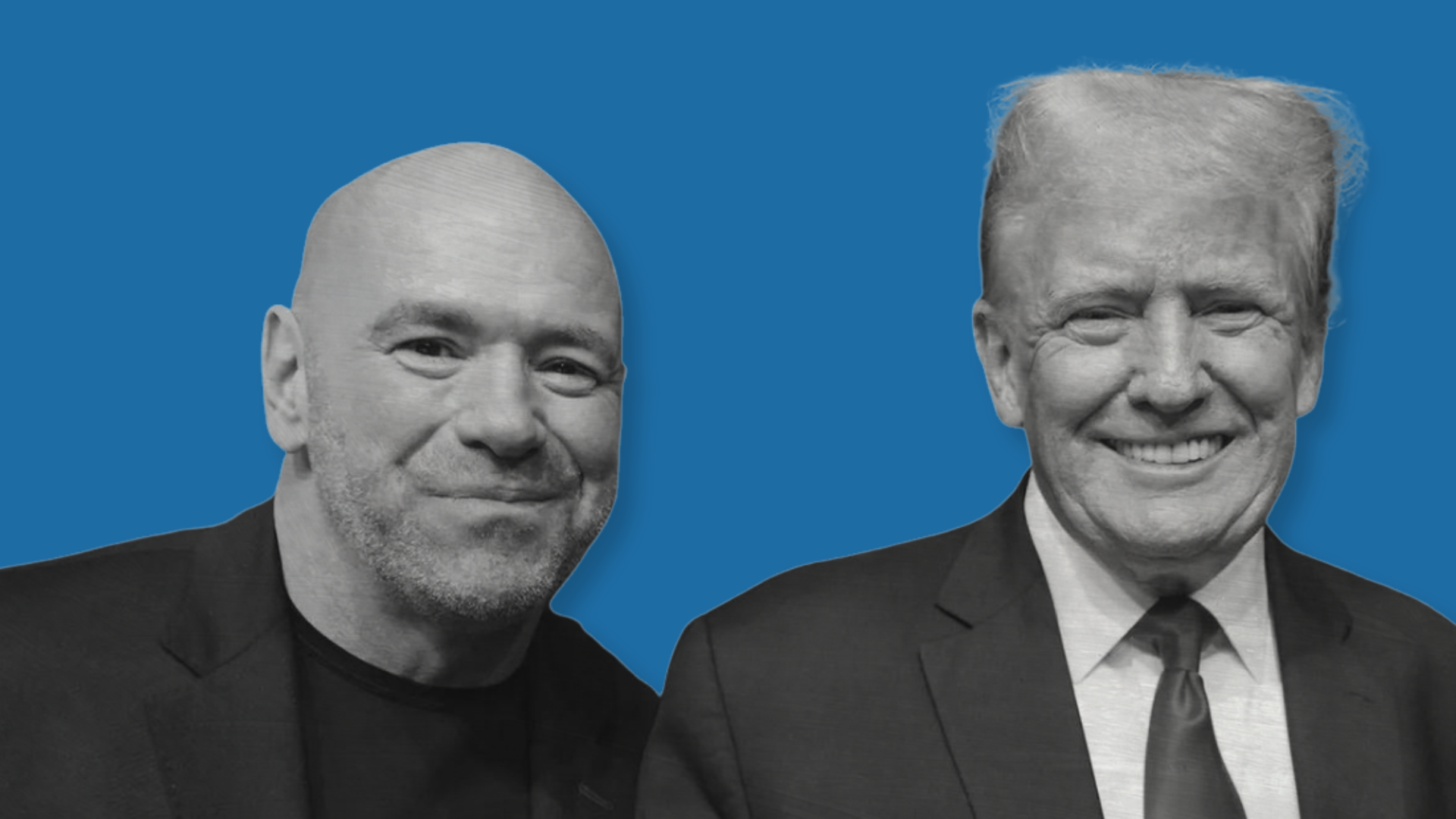
White is a generational figure, but therein lies the central question for TKO shareholders: Should the UFC, a $12+ billion company rely so heavily on one individual? White is simultaneously the commissioner, the promoter, and the public face of the UFC. This genius-driven model has worked spectacularly so far, but as the company continues to mature, over-dependence on one leader introduces structural fragility.
The Strength—and Limits—of a One-Man Show
TKO itself acknowledges in its filings that executive continuity is a critical risk. White has been the singular architect of the UFC’s commercial strategy, but the analogy to Elon Musk is apt: while Musk’s vision drives value creation at Tesla and SpaceX, his recent venture with X heavily impacted investor confidence in Tesla’s future.
TKO’s own WWE subsidiary faced significant financial issues not so long ago when Vince McMahon’s personal scandals seeped into the WWE’s reputation and hit its finances. White’s genius is an asset, but governance structures that spread leadership responsibility are overdue.
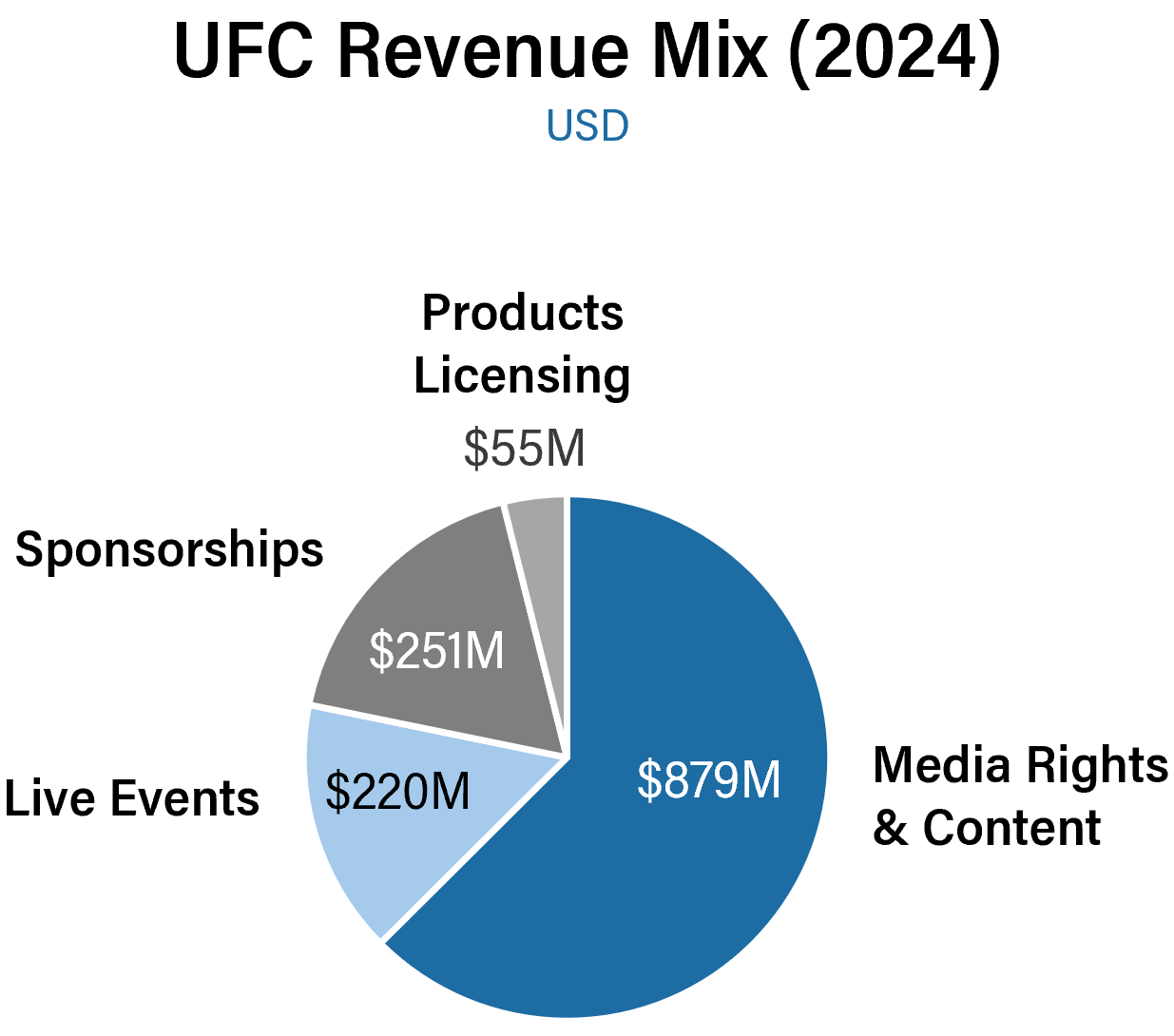
The UFC’s Paramount+ streaming deal will boost its media rights revenue stream, while its live events remain unmatched: 2024 delivered 10 of the highest-grossing live event in company history, with UFC 306 at Las Vegas’ Sphere setting all-time records for ticket sales, sponsorship, and merchandise. In 2024 sponsorship revenue alone grew 28% over 2023, its seventh straight record-breaking year. Yet the media conversation around the UFC revolves around White as much as the fighters, leaving shareholders to wonder: what happens if White steps back—or suffers an unforeseen disruption?
Growing Political Exposure and White’s Extracurricular Activities
White’s close association with President Donald Trump adds another dimension of risk. Political alignment may get a card on the White House lawn in 2026, but it also creates reputational exposure in a highly polarised US and global political environment. As the political winds change and turn constantly, a company with a strong alignment to one side of the political arena may see itself in the cross-hairs when governments eventually change hands.
Historically, the UFC thrived by navigating regulation—it was once dismissed as “human cockfighting” before winning legitimacy. But a change in administration could quickly tighten controls on fighter safety, broadcast standards, or foreign partnerships, slowing growth. Shareholders must therefore consider governance structures that insulate the enterprise from both political cycles and individual leadership personas.
Furthermore, White has been spending more time on Zuffa Boxing, Power Slap, and other side ventures, increasing the risk for shareholders of having a leader not fully dedicated to a high-growth enterprise. Every hour spent not thinking about the octagon can over time leave investors wondering whether the driver is at the wheel, and if a deeper bench of visible leadership is needed to safeguard the company’s long-term trajectory.
Building a Durable Governance Structure
The financials underscore UFC’s importance within TKO. The UFC contributed more than 50% of the total revenues and 64% of the group’s total Adj. EBITDA. It has also achieved consecutive years of record profitability.
Its growth trajectory makes the governance question unavoidable. White may be a brilliant leader, but the UFC’s future stability requires institutional leadership that could continue managing the company should he not be around.
It’s a question Ari Emanuel (CEO of TKO) and the board should ask themselves: Can the UFC not only survive, but continue growing at the current pace if Dana White is not there? If the answer is no, then it underscores the fiduciary obligation of TKO leadership to TKO shareholders to work on appropriate succession planning.
Going from Founder-Mode to Institutional Strength
Dana White deserves immense credit: he transformed a failing league into one of the most profitable sports properties in history. But as the UFC continues its meteoric growth, the very qualities that made it great—firm leadership, risk-taking, and outsized personalities—can become governance risks if succession planning and material key man risks are not addressed responsibly.
The UFC should outgrow the “one-man show.” For TKO leadership and its board, the task now is to set up a leadership team around White, develop a credible UFC succession plan, and build governance structures resilient to political winds and personalities. The UFC is no longer just Dana White’s company—it is a global institution. Its governance should reflect that reality.
Sources
- chrome-extension://efaidnbmnnnibpcajpcglclefindmkaj/https://s202.q4cdn.com/437702206/files/doc_financials/2024/ar/TKO-2024-Annual-Report.pdf
- chrome-extension://efaidnbmnnnibpcajpcglclefindmkaj/https://s202.q4cdn.com/437702206/files/doc_presentations/Endeavor-Investor-Deck_FINAL.pdf
- https://www.sec.gov/Archives/edgar/data/1973266/000119312523236217/d537457ds1.htm