

Artists today are more than performers—they are cultural signals. When a brand attaches itself to an artist, it is not just buying reach; it is buying relevance, credibility, and emotional connection. Yet too often, these partnerships are treated as simple endorsements: a check for a post, a logo on stage, a fleeting moment of visibility. The most successful artists know that brand alignment is not about volume, but about resonance.
Beyond Exposure: Why Artist Brand Alignment Matters
A partnership is only as strong as the alignment between the artist’s identity and the brand’s values. When done well, it enhances both sides. For an artist, the right sponsorship amplifies credibility, reinforces their image, and deepens fan loyalty. For a brand, it translates authenticity into measurable returns.
The opposite is also true. A mismatched deal—say, a climate-conscious musician promoting a fast-fashion chain—can ring hollow, damaging both reputation and trust. In today’s market, where audiences are quick to call out inauthenticity, the wrong alignment can cost more than the contract is worth.
The Economics of Trust
Marketing data backs this up. Nielsen reports that 92% of consumers trust recommendations from individuals they follow over direct brand advertising. When that individual is not just endorsing but authentically aligned, trust multiplies. This is why sponsorships are no longer about visibility alone—they are about credibility.
For artists, credibility is currency. The right partnership extends beyond money: it can unlock new audiences, expand into fresh markets, and even influence cultural positioning.
Case Studies of Authentic Partnerships
History offers clear examples. Beyoncé’s long-standing relationship with Pepsi wasn’t just about commercials; it was about her global superstar status reinforcing Pepsi’s cultural cachet. Travis Scott’s partnership with McDonald’s went beyond a single campaign, generating viral moments and limited-edition merchandise. In both cases, the artist’s image wasn’t just a billboard—it became a strategic asset.
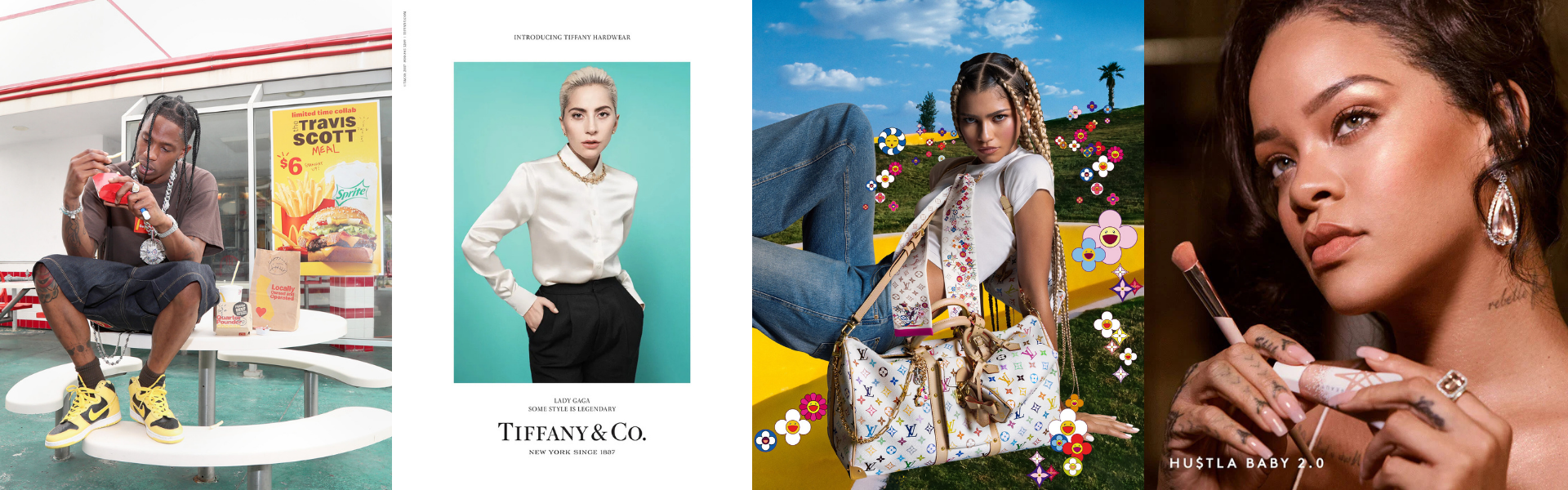
Smaller-scale partnerships show the same principle. A local indie band collaborating with a craft beer company, or a DJ working with a sustainable fashion line, often resonates more deeply because the alignment feels organic. Authenticity scales both ways.
Strategy for Artists: Choosing Wisely
For emerging or established artists, the lesson is clear: every partnership shapes perception. The decision should not be “who pays more,” but “who strengthens my brand.” This involves asking:
- Does this company reflect my values and artistic identity?
- Will this partnership deepen trust with my audience?
- Could this deal open long-term opportunities beyond money?
The smartest artists think through their sponsorship opportunities. Some deals provide liquidity (cash now), others provide positioning (credibility), and the best provide both.
From Cash to Culture
At the start of their careers, some artists may need to accept almost any deal that provides liquidity. Survival comes first. But once stability is achieved, the calculus shifts. A poorly aligned sponsorship can dilute an artist’s image, while a well-aligned one can become a defining moment in their career.
It’s not about saying yes to every opportunity—it’s about curating partnerships that reinforce the image the artist is building.
The Takeaway: Authenticity Makes or Breaks Campaign
When artists and brands align, the results reach beyond transactions: credibility deepens, audiences respond, and both sides reinforce each other’s cultural relevance. When they don’t, even the most lucrative contract risks falling flat. The evolving landscape of sponsorships and partnerships shows that alignment isn’t a minor detail—it is the factor that often determines whether a collaboration is remembered as a success or forgotten as noise.