

Many teams still organize their commercial operations around the assumption that their market begins and ends with their home city and immediate geographic region. Community events, marketing plans, and match-day initiatives remain concentrated locally, even though fans today can follow teams from anywhere in the world. Streaming, social media, and migration have created a supporter base that is no longer defined by geography. For clubs looking to expand sustainably, acknowledging that reality opens several practical opportunities.
The English Premier League has for years been able to significantly outgrow its European peers by focusing on increasing their international fandom, particularly in the United States and Asia. Even leagues previously thought to have limited fandom growth opportunities, such as the NFL, have shown how innovative strategies and execution discipline can open new markets.
Most clubs can grow beyond their home market by focusing on two key operational areas. The first is expanding where the team shows up, both domestically and internationally. The second is building systems that help identify, serve and monetize the national and internationally underserved fans.
Expanding the Fan Base
Identifying Domestic Markets That Lack Local Teams
Surprisingly, even in 2025, over 22 states in the US do not have a top-tier team in any major league. States like Alabama, Mississippi, West Virginia, and New Mexico have populations with strong sports engagement but no top-tier professional teams. Residents in these areas already engage heavily with televised sports but have limited access to pro sport in-person experiences, which presents an opportunity for growth for those teams willing to think outside the box.
States Without Major Sports Teams in 2025
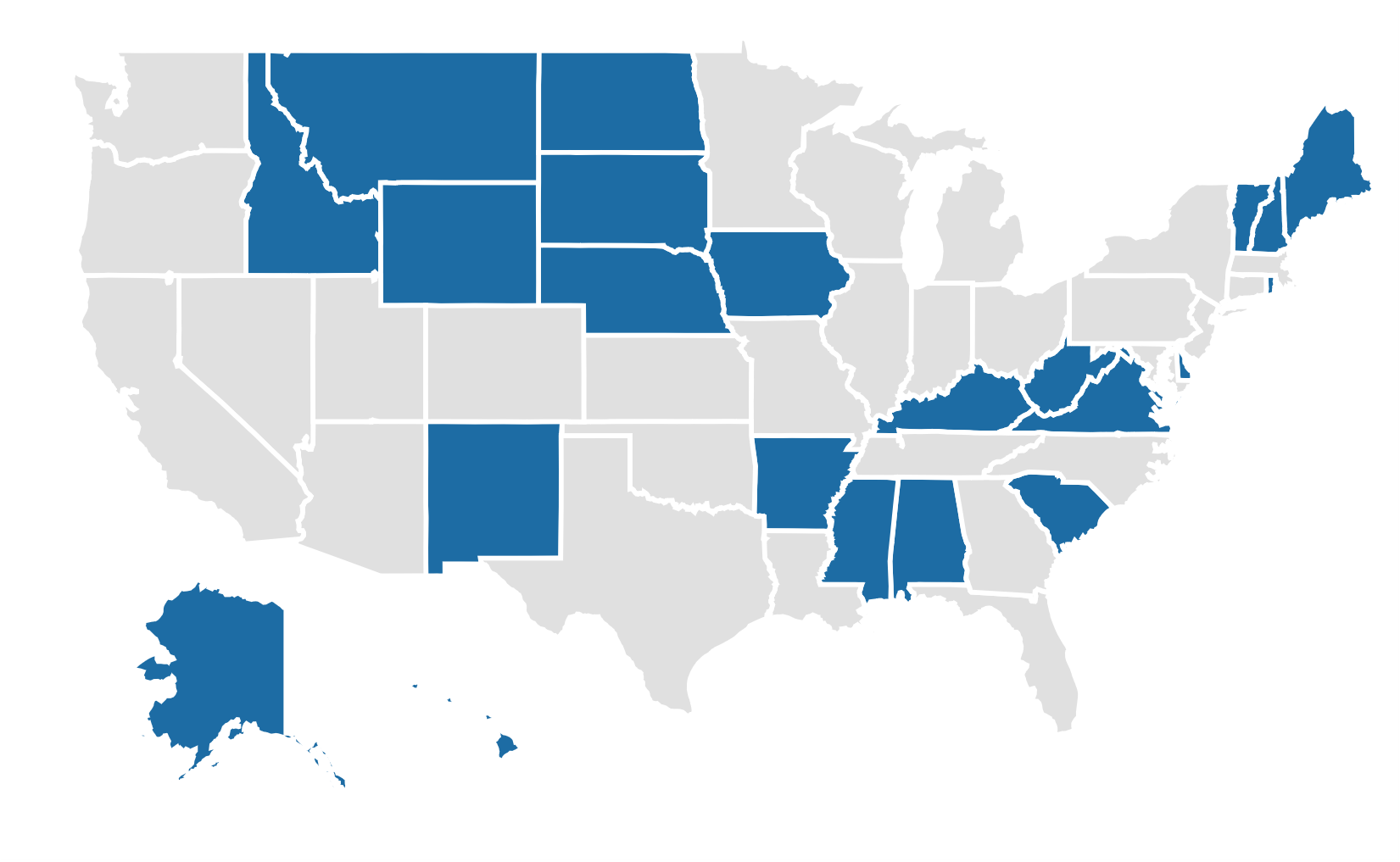
Teams that play a small number of competitive home games, pre-season matches, or off-season events in these markets can develop a long-term presence and build a fanbase at relatively low cost.
Basketball provides a clear example in cities like Seattle, Jacksonville or Louisville. Mid-market franchises such as the Sacramento Kings or the Memphis Grizzlies could, for example, play some regular season games there, establish a presence and over time and secure a loyal audience that does not currently have a local option.
Immigrant Communities as Natural Extensions of the Market
Large diaspora populations in the United States function as ready-made secondary markets, particularly for Latin American and European soccer teams and even Indian cricket teams. The Brazilian population in the U.S. already exceeds 2.1 million people, but they rarely get access to important in-person games. The Indian-origin population in the United States is now over 5.2 million people, many of whom follow cricket closely, making it one of the largest and most commercially valuable cricket fan communities outside India.
These immigrant communities have much higher purchasing power than their in-country peers, follow their home-country leagues closely and maintain strong ties to the clubs they grew up with. However, they rarely have access to high-stakes in-person matches or team activations nowhere near their vicinity. Organizing regular season matches a couple times a year and arranging consistent player visits, media appearances, and youth clinics can become the starting point for a new generation of supporters outside national borders. These consumers already engage with the sport and team; they simply lack the proximity to experience the collective one.
Exploring International Opportunities
The NFL began its international expansion with single annual games in London, which it is gradually building into a broader global presence. In 2025, every NFL team joined the Global Markets Program, which now spans 21 international markets and gives clubs the ability to run fan engagement, youth initiatives, and commercial activities abroad.
This includes regular-season games played outside the United States, which provide access to international audiences that have followed the sport for years but rarely had opportunities to participate directly in games that actually matter.
The Premier League’s expansion strategy is clearest in the markets where the opportunity gap is largest. In the United States, clubs have positioned themselves to capture the fans that MLS fails to convert, returning every summer with full-stadium friendlies, media commitments, and sponsor activations. Australia plays a different role: an English-speaking market with high growth potential and limited domestic competition for global football attention. Consistent preseason presence across both countries has built familiarity, raised visibility, and turned the ‘occasional’ interest into sustained demand.
Countries with Exhibition Games by Premier League Teams
2019/2020 to 2025/2026 Seasons
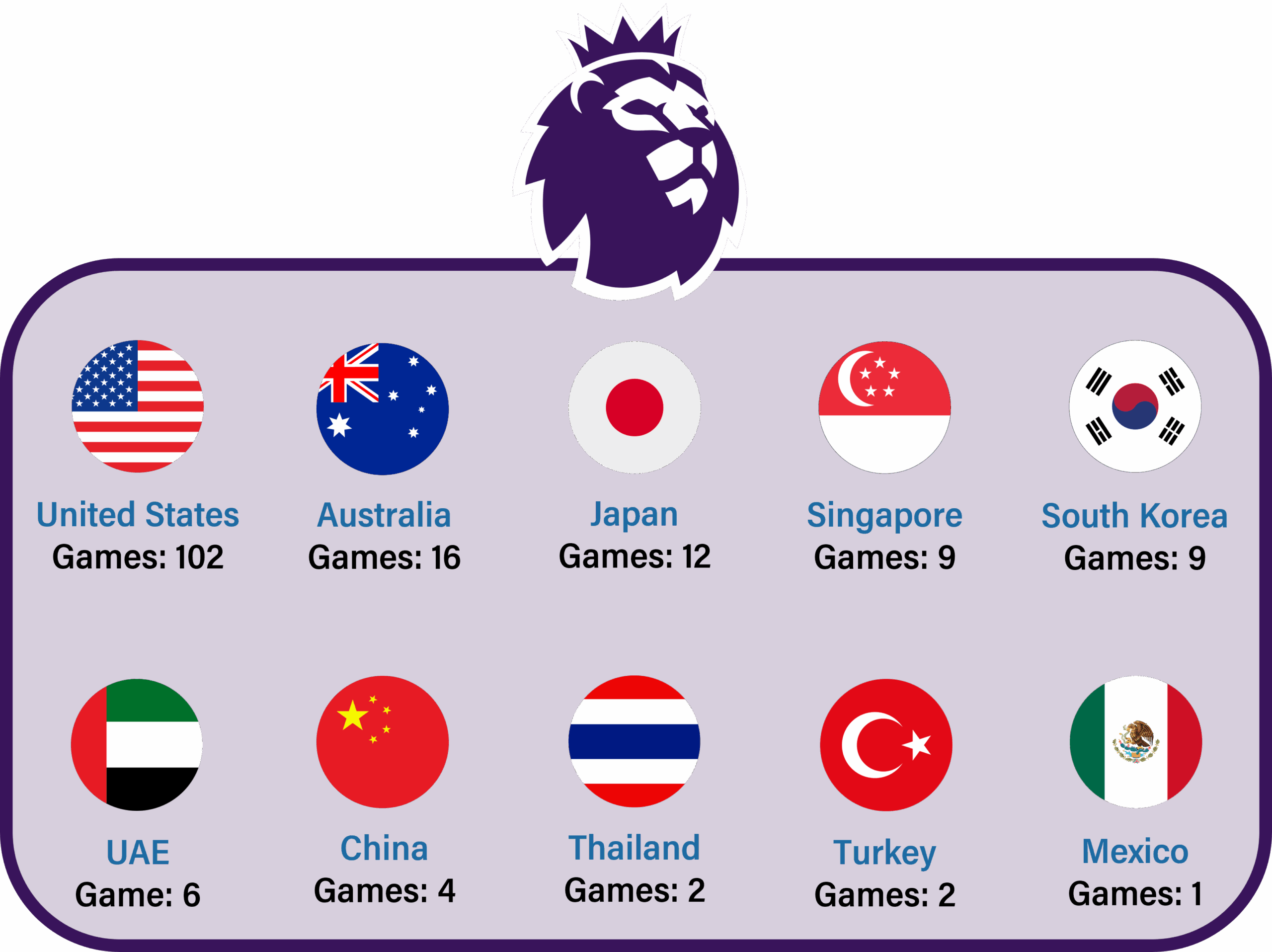
Tours have become commercially relevant. Manchester United’s May trips to Malaysia and Hong Kong reportedly generated approx. $10 million over six days, and preseason matches in Hong Kong attracted significant attendance and training-session interest. This is the result of consistent presence deployed through a well-thought long-term strategy, rather than isolated visits.
Building Systems to Understand and Serve Fans
Creating a Functional Fan Database
Many clubs still do not maintain a structured fan database or functional customer relationship management (CRM) system. They lack reliable information about who their supporters actually are, where they live, and how to reach them. Each event in a new region — whether domestic or international — should be used to collect information through ticketing, merchandise sales, digital registrations, youth academies, and watch-party participation. This creates the foundation for regular communication rather than sporadic outreach.
Designing Regional Products and Engagement
With a proper database, clubs can develop offerings that meet the needs of each segment. Merchandise pricing can be adjusted to reflect local conditions. Youth academies or clinics can be established where cultural ties already exist. Digital memberships and localized content help maintain a relationship without requiring constant travel.
These initiatives support both fandom and commercial activity. They also introduce young audiences to the team, which is critical because early exposure tends to shape long-term loyalty.
Monetizing Through Consistency and Accessibility
Reliable engagement over time is more effective than maximizing short-term revenue. When clubs price tickets, merchandise, and memberships in line with local economic realities, participation tends to remain steady.
The same logic applies to underserved domestic markets and immigrant communities. These groups are highly engaged but lack structured pathways to participate more directly. Providing consistent opportunities often leads to durable commercial outcomes.
Putting the Approach Into Practice
Teams that broaden their operational footprint and establish clear systems for managing their expanded audience will be better positioned to grow sustainably. Domestic markets without local teams, large immigrant populations, and international regions with established interest all present practical opportunities. The investment required to reach these fans is modest compared to the long-term value they can provide, particularly when supported by strong data systems and thoughtful engagement strategies. They are opportunities for growth waiting to be taken.