
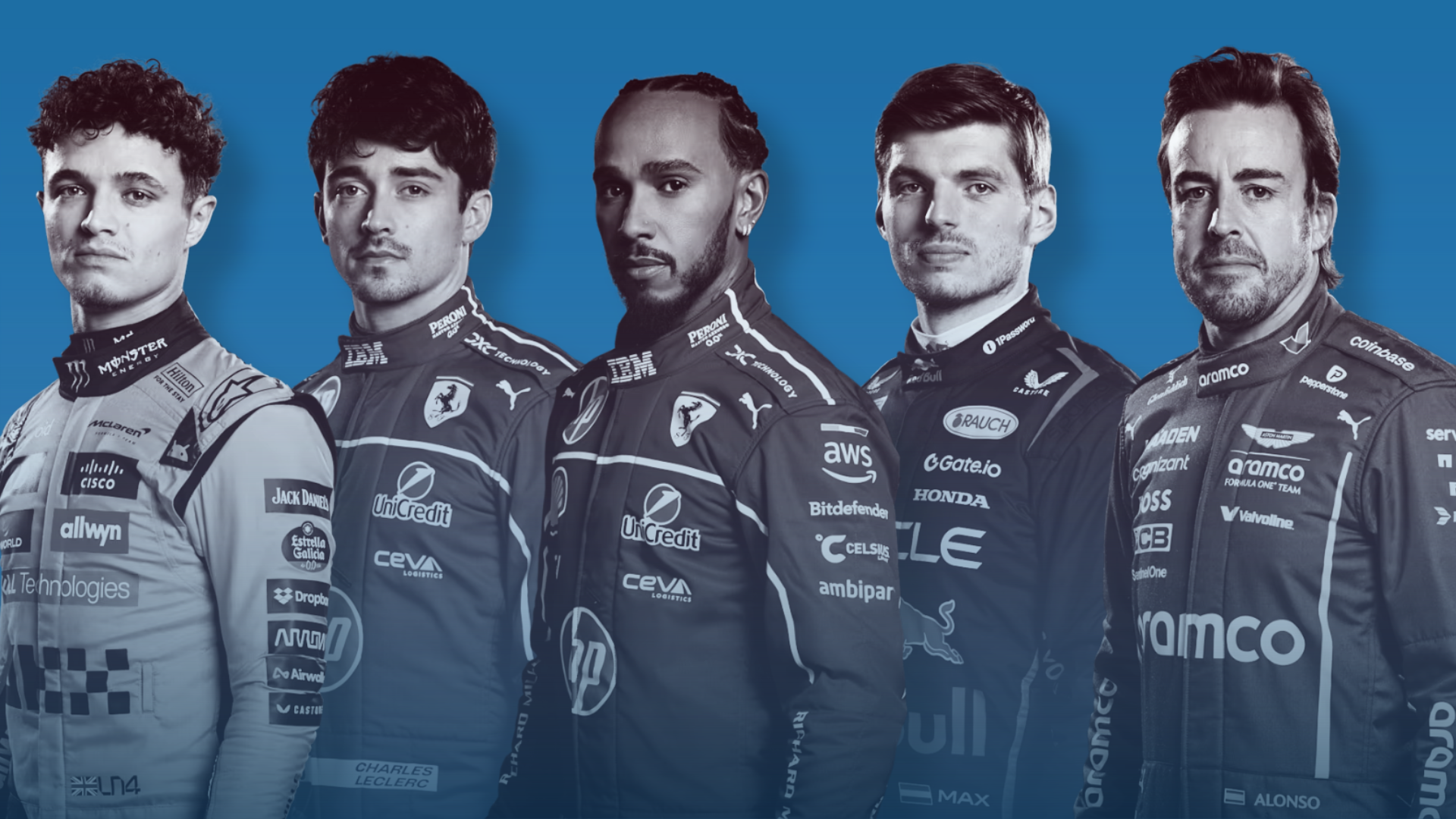
Formula 1 is more than a sport. It’s a global business, a technological arms race, and a masterclass in precision, discipline, and risk. At its core, it is about maximizing performance under extreme pressure—often with mere milliseconds and millimeters separating success from failure. For the world’s top F1 drivers, that intensity doesn’t stop when the visor comes up. Off the track, they are navigating a very different kind of complexity: wealth.
With annual earnings ranging from $10 million to over $70 million—including base salaries, performance bonuses, and endorsement deals—F1 drivers accumulate wealth quickly. But their careers are often short, shaped by physical demands, shifting team dynamics, and unpredictable sponsorship cycles. That combination—sudden wealth and structural volatility—demands a highly strategic, multi-asset approach to wealth management.
The Pitfall of Momentum-Driven Decisions
In racing, momentum is dangerous when it overrides data. The same is true in wealth management. Too often, elite athletes are encouraged to pursue the “hottest” investment trends—crypto, unvetted start-ups, overleveraged real estate—without a clear, fundamental rationale. The result? Exposure to unnecessary risk and fragmented portfolios that lack resilience.
Instead, F1 drivers (and similarly high-earning athletes) need investment strategies that mirror their professional ethos: disciplined, long-term, data-informed, and managed by a team as elite as the one they rely on during a Grand Prix weekend.

Data, Margins, and Microseconds: Investing Like an F1 Team
The average F1 team processes over 1.5 terabytes of data across a race weekend, analyzing tire wear, weather patterns, fuel loads, and driver feedback to make real-time decisions. That same principle applies to successful investment strategy: diversified exposure across asset classes, continuous performance monitoring, and tactical rebalancing as macro conditions shift.
At Handal Dunaway, we often compare portfolio construction to race engineering. Asset allocations must be tailored to the individual’s long-term objectives (like a car’s setup to a specific circuit), while remaining agile enough to adapt to unexpected conditions—be it market corrections, geopolitical shifts, or life transitions post-retirement.
Building the Right Portfolio: Beyond Endorsements and Real Estate
While brand partnerships and property investments are common among professional athletes, they should not be the only tools in the toolbox. A high-performing, resilient portfolio for an F1 driver (or any elite athlete) should include:
- Public Equities – For long-term growth, with selective exposure to global markets and sectors aligned with the athlete’s interests or brand.
- Private Equity and Venture Capital – Especially in sectors where the athlete has unique insight, such as sports technology, wellness, or logistics.
- Search Funds – An increasingly attractive option, allowing athletes to back experienced operators in acquiring and scaling small-to-midsize companies with defined exit strategies.
- Tax Optimization Vehicles – Tailored to their global residency profile, especially for drivers based in jurisdictions like Monaco, Switzerland, or the United States.
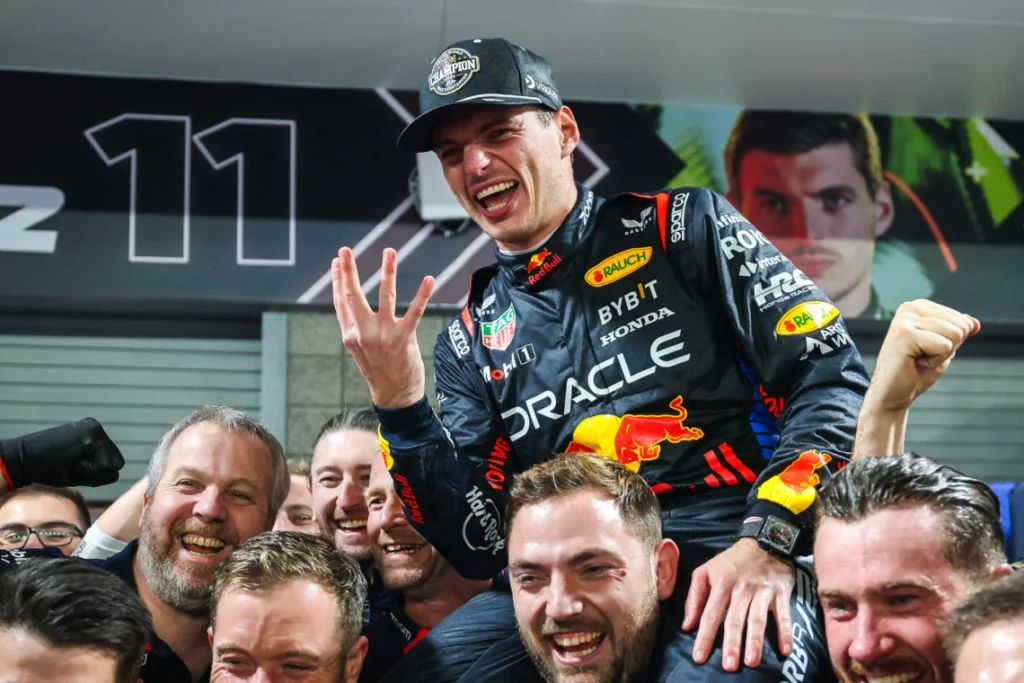
The Value of a Strategic Investment Partner
Much like an F1 driver relies on engineers, strategists, and pit crews, elite athletes need a dedicated team that understands not just investment management, but the unique context in which they operate. At Handal Dunaway, we specialize in building proprietary investment strategies for clients with complex financial lives and global footprints. For athletes, that means designing portfolios that:
- Account for short income windows and long retirement horizons
- Mitigate tax exposure across multiple jurisdictions
- Leverage their brand equity and industry access for strategic opportunities
- Prioritize preservation and compounding over hype and speculation
From the Podium to Legacy
Most F1 drivers retire in their 30s. The decisions they make during their peak years will determine not just their lifestyle, but their families’ long-term financial wellbeing. By translating their performance mindset into their approach to wealth, they can ensure that their impact—like a well-structured investment portfolio—compounds over time.
Winning races takes a team. So does building long-term wealth.