Artists live in a financial paradox. Their image, talent, and influence can generate millions in value for brands, yet too often they walk away with a one-time check. While cash will always be necessary for immediate needs—covering rent, touring expenses, or studio costs—the smartest artists recognize that true wealth lies in equity. By asking to participate as shareholders in the businesses they endorse, they can transform short-lived deals into long-term wealth.
Why Equity Beats a Paycheck
A sponsorship check ends when the contract ends. Equity, on the other hand, compounds. If a brand grows, so does the artist’s stake. For creators with stable income streams already in place—through streaming royalties, live shows, or catalog sales—equity provides a way to build a portfolio that outlasts fame cycles and touring schedules.
This approach has precedent. Actor Ryan Reynolds invested in Mint Mobile and served as its spokesperson. Mint in 2024 ended up being acquired by T-Mobile, earning him approximately $300M. On the other hand, graffiti artist David Choe famously chose 0.25% equity in Facebook instead of $60,000 in cash for a mural he was commissioned, a decision that made him over $200M dollars.
Success examples of celebrity equity deals aren’t limited to household names. Singer Ellie Goulding led the endorsement of CORE Hydration which was later sold to Keurig Dr. Pepper for $525M) while Kerry Washington partnered with the oral healthcare startup Byte. The track record of artists who took ownership instead of just cash proves the concept: when aligned properly, equity deals can dwarf even the largest upfront payments.
Diversification Beyond the Stage
Equity should not be confined to the biggest global brands. Artists can—and should—look at opportunities across the spectrum. A regional coffee chain, a hospitality group, or a technology startup may not have the name recognition of a Fortune 500 company, but if profitable and aligned with the artist’s image, these investments can provide both financial upside and authenticity.
By spreading their equity stakes across industries—food, wellness, tech, entertainment, hospitality—artists reduce risk and increase the chance that one breakout success will more than compensate for other smaller bets. This is the same principle institutional investors use in portfolio construction, applied to the creative economy.
The Power of Brand Alignment
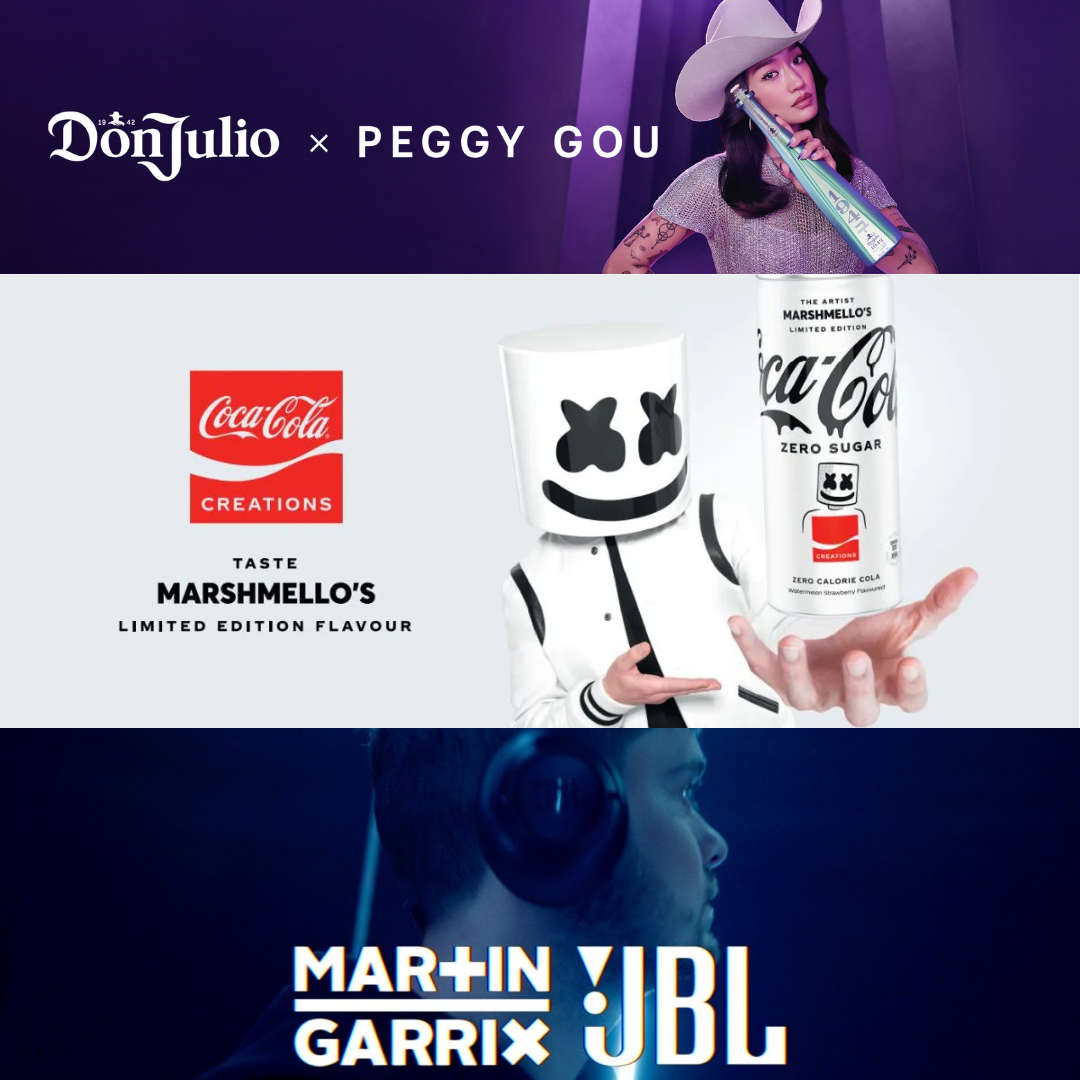
Equity deals work best when the artist’s identity and the business align. A DJ partnering with a headphone company, a painter investing in a design studio, or a singer taking equity in a wellness brand—these connections are not just financial, they are cultural. The artist’s credibility strengthens the business, and the business in turn reinforces the artist’s personal brand.
Data supports the impact. Nielsen studies on influencer marketing show that consumers are 92% more likely to trust a recommendation from a person they follow than from a brand itself. When artists go beyond promoting to actually owning a stake, that trust translates into measurable financial performance, as seen by athletes and Search Funds investments. Investment firms have increasingly discussed the popularity of equity deals for entertainers, with some firms even specializing in investing in companies that have celebrity endorsers.
Short Term Liquidity vs Long-Term Income
Some will argue that cash is king. And for artists at the start of their career, that is true: survival comes before strategy. But once an artist reaches a point of financial stability, the conversation shifts. Cash covers today, equity builds tomorrow. Equity can create legacies—financial independence, intergenerational wealth, and a stake in businesses that may outlast their careers in the spotlight.
In practice, this does not mean rejecting cash outright. It means negotiating hybrid structures: part cash, part equity. Enough liquidity to meet present obligations, with an ownership stake to build future security.
The Takeaway: Ownership as the Artist’s Edge
For artists, the most valuable resource they possess is not just their craft, but their image and credibility. That influence, when converted into ownership, can create wealth far beyond traditional brand deals. Whether with global corporations or local businesses, the rule is the same: if you are lending your name, negotiate to hold a piece of the pie.
En Handal Dunaway, we believe artists should view themselves not only as creators but as investors. Building equity stakes across industries creates diversified portfolios, spreads risk, and transforms fleeting moments of influence into lasting financial power. The lights may one day dim, but ownership endures.